
If you’ve never been on safari before, it’s easy to imagine it as one long wildlife chase. The truth is gentler, richer, and far more memorable. A day on safari in Kenya moves at the rhythm of the land early starts, long pauses, quiet wonder, and moments you didn’t know you’d been waiting for.
Here’s what a real safari day actually feel. If you’ve never been on safari before, it’s easy to imagine it as one long wildlife chase jeeps racing across plains and animals appearing every few minutes like scenes from a documentary.
The reality of a safari in Kenya is far more immersive, balanced, and memorable.
A day on safari moves at the rhythm of nature. It begins before sunrise, unfolds through quiet observation, pauses for rest during the heat of the day, and ends under a sky filled with stars. Along the way, there are moments of awe, long stretches of stillness, and encounters with wildlife that feel both spontaneous and deeply meaningful.
Whether you’re exploring the plains of the Maasai Mara National Reserve, the elephant-rich landscapes of Amboseli National Park, or the rhino sanctuaries near Nanyuki, the structure of a safari day follows a similar, well-loved rhythm.
Here’s what a typical day on safari in Kenya actually feels like.
.jpg)
Your safari day usually begins before sunrise, often around 5:30 or 6:00 in the morning.
There’s a gentle knock on your door. A staff member brings coffee, tea, or hot chocolate to help wake you up while the sky is still dark. Outside, the air feels cool and crisp a refreshing contrast to the warmth that will come later in the day.
As you step into the safari vehicle, the horizon slowly begins to glow.
In places like the Maasai Mara National Reserve or Samburu National Reserve, sunrise spreads across the savannah in soft gold and amber tones, illuminating acacia trees and tall grasses.
This is one of the best times of day to see wildlife.
Many predators, such as lions and leopards, are still active after hunting during the night. Elephants begin moving toward water sources, giraffes start browsing from treetops, and antelope gather in open areas where they can watch for predators.
Your guide plays a crucial role during this time. Experienced safari guides can read the bush almost like a language.
They notice things most visitors might miss:
These clues often lead to remarkable sightings perhaps a pride of lions finishing a hunt, or a leopard resting in the branches of a tree.
The early morning game drive typically lasts two to three hours, allowing plenty of time to explore without rushing.
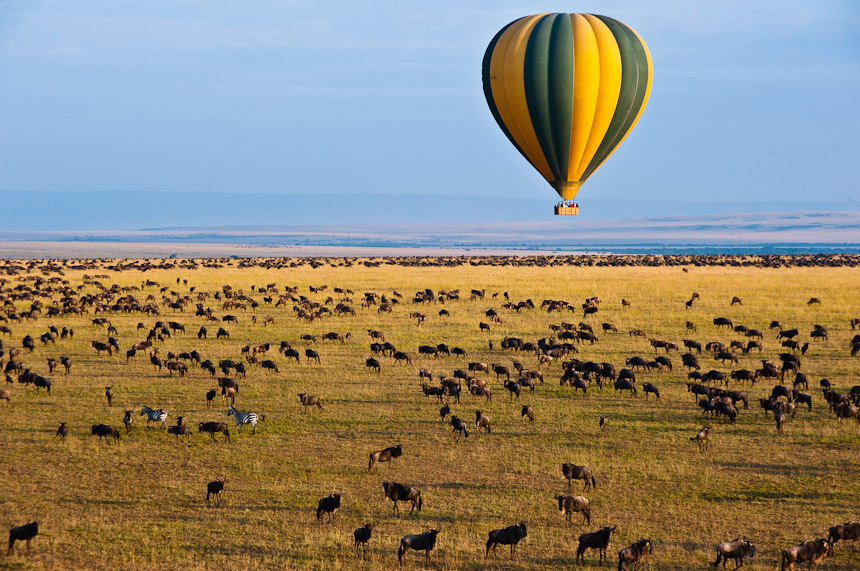
After several hours of game viewing, the pace naturally slows.
Depending on the lodge or camp you’re staying at, breakfast may be served back at camp or set up in a scenic outdoor location.
In some cases, guides arrange a bush breakfast a simple but unforgettable experience where tables are set beneath an acacia tree or beside a quiet riverbank.
Imagine sipping fresh coffee while zebras graze in the distance and birds call from nearby trees. Conversations usually revolve around the morning’s sightings:
“Did you see the cub hiding behind the lioness?”
“I couldn’t believe how close the elephants came.”
These moments give you time to absorb what you’ve experienced rather than rushing immediately to the next sighting.
Safaris are not just about seeing animals they are about appreciating the environment as a whole.
By late morning, the African sun begins to grow stronger, and wildlife activity gradually slows.
Most animals retreat to shaded areas to rest during the heat of the day. This is why safari schedules are designed around nature’s natural rhythms.
You return to your lodge or tented camp sometime between 10:30 and 11:30 a.m.
And this is where one of safari’s greatest surprises appears: downtime.
The middle of the day is intentionally relaxed.
After waking early and spending hours exploring, many travelers welcome a slower pace.
At your lodge or camp, you might spend the afternoon:
Lunch is usually served in the early afternoon, often featuring fresh local ingredients and light dishes that suit the warm weather.
Many safari camps also offer optional activities during this quieter period, such as:
But just as often, guests choose to simply rest.
Safari days start early, and a short nap during the afternoon is practically a tradition.

Around 3:30 or 4:00 p.m., the safari begins again.
The temperature cools slightly, the light softens, and wildlife slowly becomes active once more.
This second game drive often feels different from the morning. The atmosphere is calmer, and the golden light creates beautiful opportunities for photography.
You might encounter:
If you’re in places like the Amboseli National Park, you may see elephants moving across the plains with the towering silhouette of Mount Kilimanjaro in the background.
Each drive feels different because nature rarely repeats itself.

One of the most cherished rituals of safari life is the sundowner.
Just before the sun sets, your guide stops the vehicle at a scenic viewpoint perhaps overlooking an open plain, a river valley, or a hilltop with wide views.
Drinks and light snacks are set up, and guests step out of the vehicle to stretch their legs.
The sun slowly sinks toward the horizon, painting the sky with deep oranges, pinks, and purples.
This moment often becomes a highlight of the entire safari experience.
There’s something deeply grounding about standing in the open wilderness, drink in hand, watching the African sun disappear beyond the plains.
It’s quiet, reflective, and unforgettable.
Dinner on safari is often a memorable experience in itself.
Many lodges serve meals outdoors or in open dining areas where guests can listen to the sounds of the bush while they eat.
Menus frequently combine local Kenyan flavors with international cuisine, offering dishes made from fresh produce, grilled meats, and seasonal ingredients.
After dinner, guests often gather around a campfire.
Guides share stories from years spent in the bush tales of unusual animal encounters, dramatic migrations, or the challenges of conservation.
Meanwhile, the sounds of the African night begin to emerge:
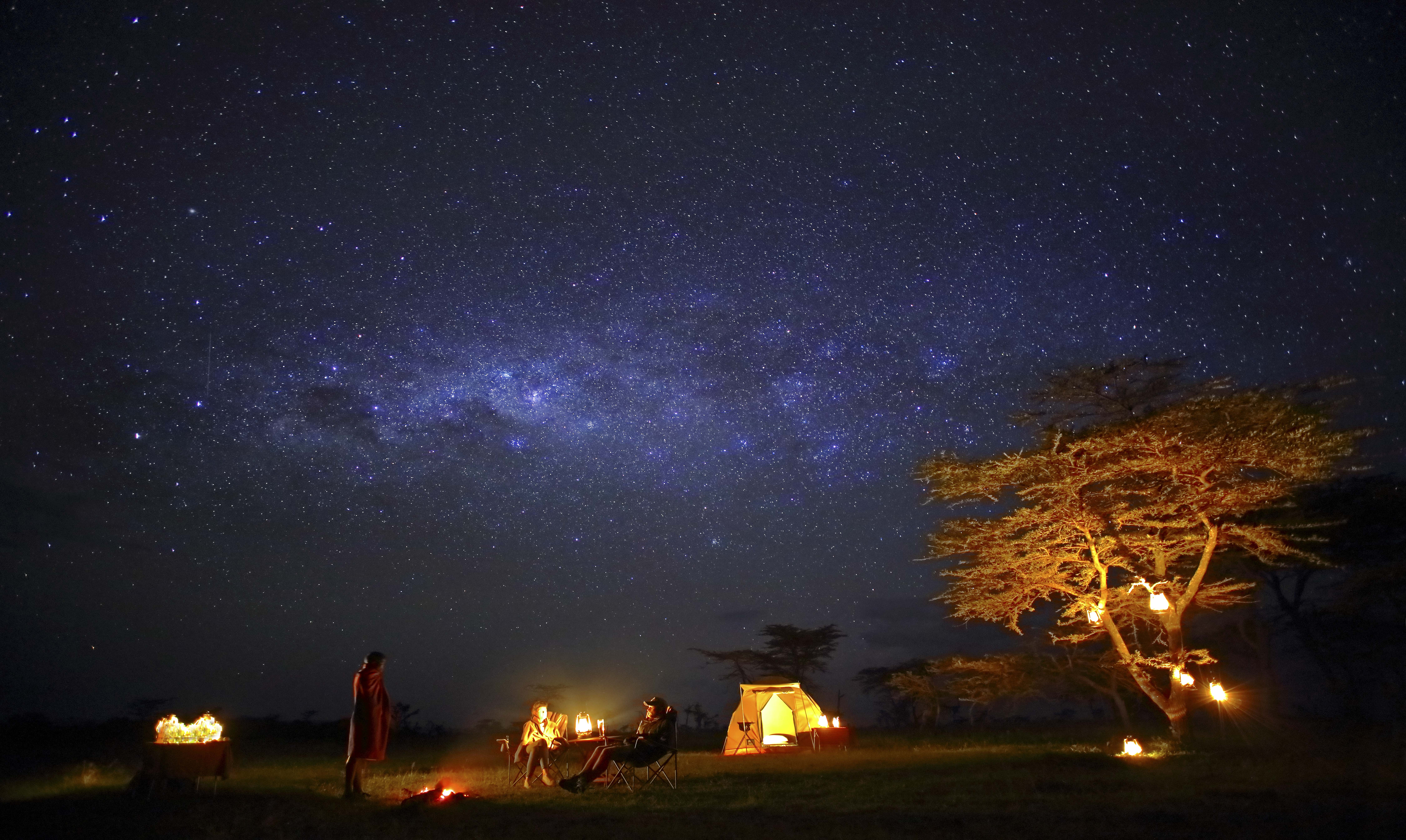
Eventually, guests retreat to their tents or lodges for the night.
Safari accommodations are designed to feel close to nature while still offering comfort and safety. Many luxury tented camps allow you to hear the sounds of wildlife outside while you sleep.
It’s not unusual to hear elephants passing nearby or hippos moving through the grass.
Above it all, the sky stretches endlessly free from city lights and filled with stars.
A safari in Kenya isn’t about constant excitement or ticking animals off a checklist.
It’s about presence.
It’s about noticing small details the shape of an elephant’s footprints, the silence before a lion’s roar, the changing color of the sky at sunset.
Every day unfolds naturally, guided by the rhythms of wildlife and the landscape.
And that’s exactly what makes the experience unforgettable.
Because long after the journey ends, what stays with you are not just the animals you saw but the feeling of being fully immersed in the wild.


.avif)

