
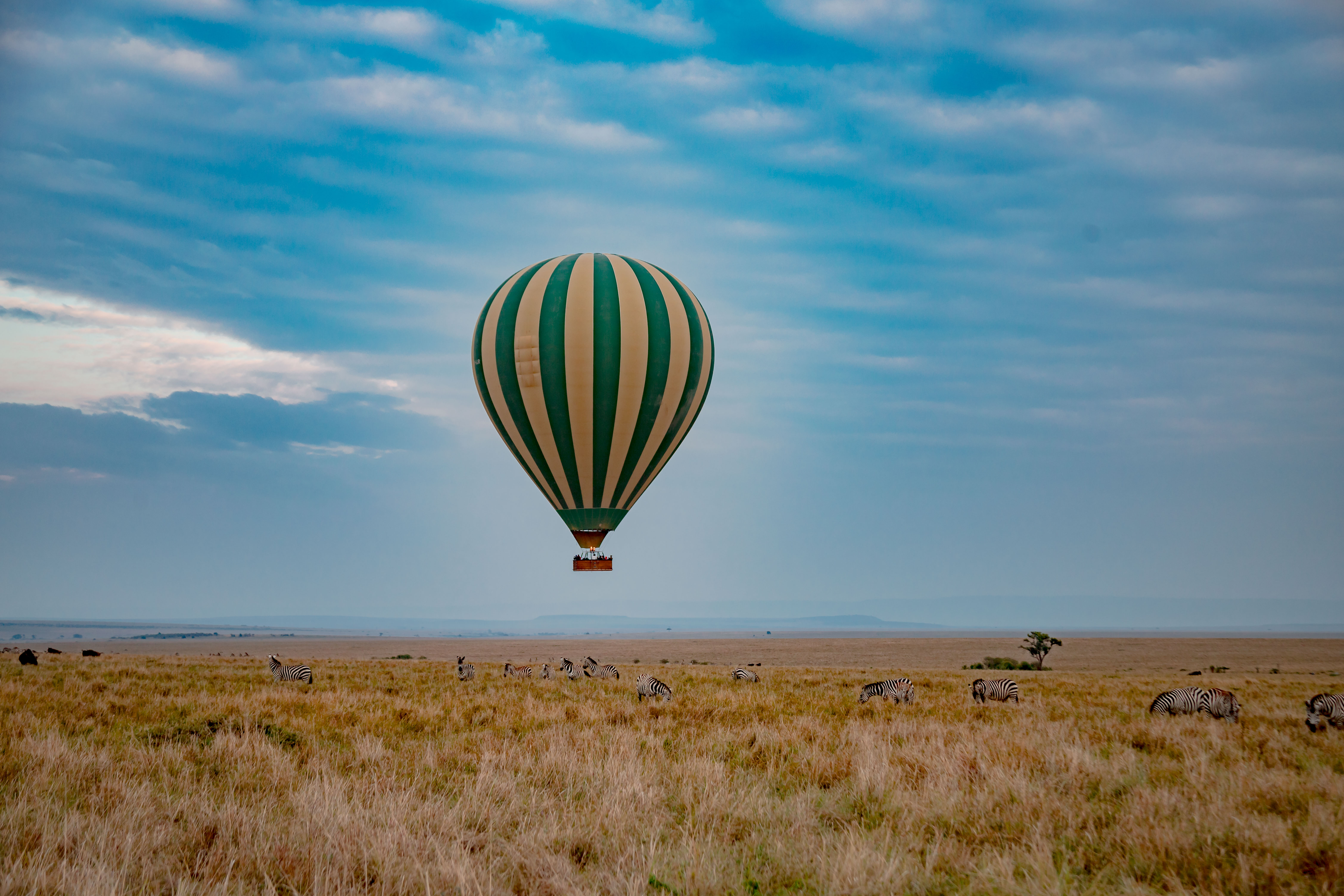
When most people imagine a safari, they picture one thing:
a vehicle slowly moving across the savannah while travelers search the horizon for wildlife.
Game drives are certainly a highlight of any safari. Watching elephants cross the plains, spotting lions resting beneath acacia trees, or observing giraffes moving gracefully across the landscape is unforgettable.
But in Kenya, safari experiences go far beyond the vehicle.
The country offers countless ways to step deeper into the wilderness, connect with the land, and understand the ecosystems that make this region one of the most extraordinary wildlife destinations on Earth.
From bush breakfasts in the middle of the savannah to walking safaris guided by expert trackers, these experiences transform a safari from simple sightseeing into something far more immersive.
Welcome to the other side of safari in Kenya where the most powerful moments often happen when the engine switches off.

Imagine starting your morning like this.
The sun rises slowly over the plains of the Maasai Mara National Reserve. The sky shifts from soft pink to golden orange while the morning mist lifts gently from the grasslands.
Your guide stops the safari vehicle beneath a large acacia tree.
Nearby, a simple but beautifully arranged table has been set. Fresh coffee steams in the cool morning air. Fruit, pastries, and hot breakfast dishes are laid out while birds call from the trees overhead.
In the distance, zebras graze peacefully, seemingly unconcerned that humans have joined their landscape for breakfast.
This is the magic of a bush breakfast.
Bush breakfasts are one of Kenya’s most beloved safari traditions. They usually take place after an early morning game drive, allowing guests to pause and absorb the beauty of the wilderness before returning to camp.
Unlike traditional restaurant dining, these meals feel relaxed and deeply connected to nature.
You may hear:
The food itself is often surprisingly elaborate, with fresh fruit, eggs cooked to order, pastries, and locally roasted coffee.
But the true highlight isn’t the menu.
It’s the feeling of sharing a quiet moment in the middle of the wild.
While vehicles allow you to cover large distances, walking safaris offer something entirely different a chance to truly feel the African wilderness.
Walking safaris are available in many conservancies and protected areas across Kenya, including regions near Nanyuki and conservation areas like Lewa Wildlife Conservancy.
Accompanied by highly trained guides and armed rangers, small groups explore the bush on foot at a safe and comfortable pace.
What makes these walks special is the shift in perspective.
Instead of searching for large animals from a distance, you begin to notice the smaller details of the ecosystem.
Guides point out things you might never see from a vehicle:
You might learn how to distinguish between the tracks of a hyena and a leopard, or how elephants shape the landscape by pushing over trees.
Walking safaris are not about chasing wildlife.
They are about understanding the bush as a living, interconnected system.
For many travelers, this slower and more mindful experience becomes one of the most memorable parts of their safari journey.
.jpg)
Kenya’s wildlife is world-famous, but the country’s cultural heritage is equally rich.
Many safari regions are home to communities that have lived alongside wildlife for generations. Visiting these communities offers a deeper understanding of how people and nature coexist in these landscapes.
In areas surrounding the Maasai Mara National Reserve, travelers often have the opportunity to meet members of the Maasai people.
These visits may include:
These experiences are most meaningful when conducted respectfully and in partnership with local communities.
Rather than staged performances, many cultural visits are designed as conversations and exchanges.
Travelers gain insight into the challenges and opportunities faced by communities living alongside wildlife, including conservation efforts, education initiatives, and sustainable tourism.
These encounters add context to the wildlife you see on safari. They remind visitors that the landscapes they admire are also living homes for people and culture.
%20-%20Large.jpg)
Few safari traditions are as iconic as the sundowner.
As the afternoon game drive winds down, your guide chooses a scenic location perhaps overlooking a vast plain or perched on a hill with panoramic views.
The vehicle stops.
Drinks and snacks appear, often including local beverages, wine, or sparkling drinks.
As you stand quietly with fellow travelers, the sun slowly sinks toward the horizon. The sky transforms into shades of orange, red, and violet, casting long shadows across the landscape.
Animals continue their evening routines in the distance.
This moment feels simple yet powerful a pause to reflect on the day’s adventures before night settles over the bush.
Sundowners are not rushed.
They are designed to capture the quiet beauty of Africa’s sunsets, which many travelers consider among the most spectacular in the world.
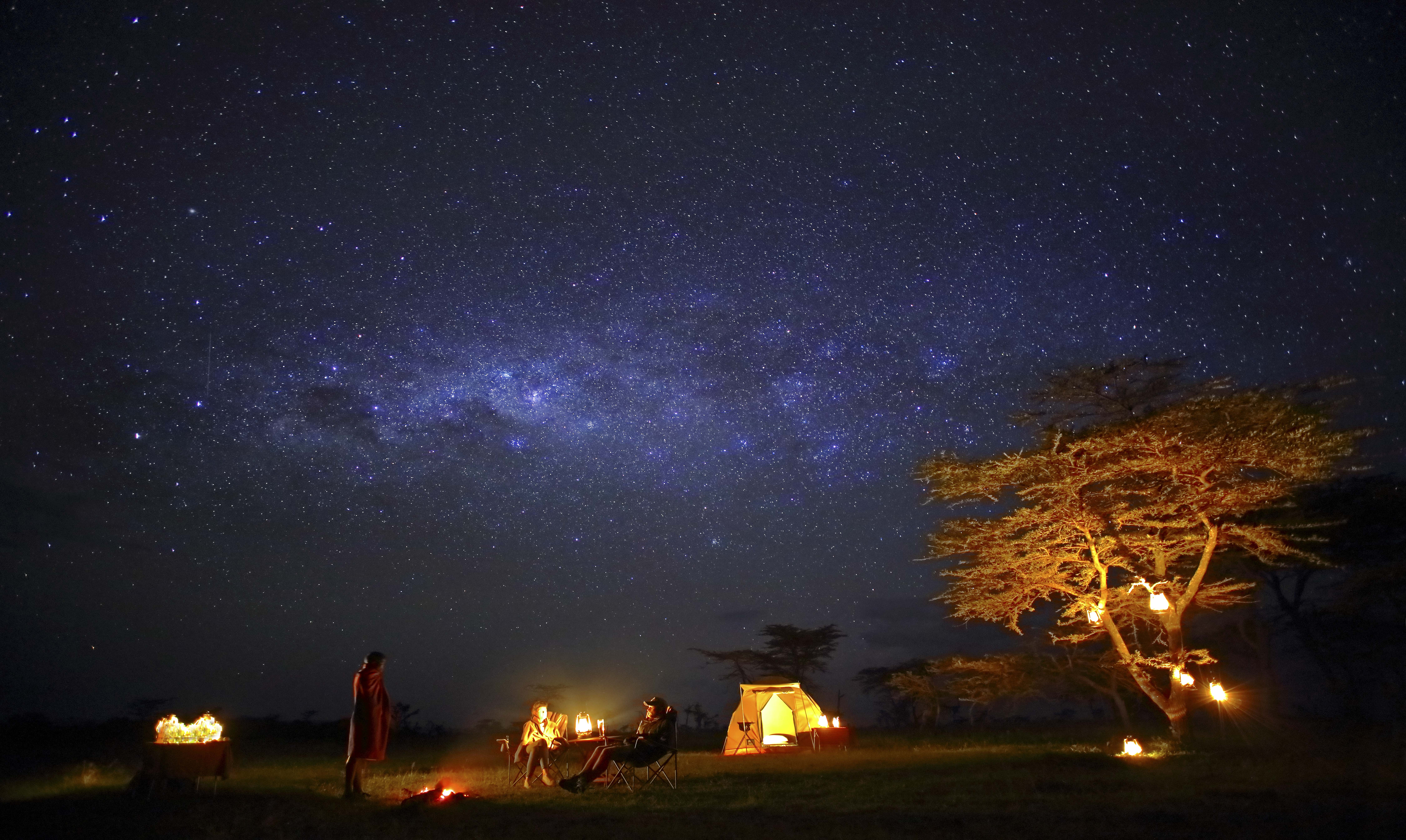
When night falls in the bush, something remarkable happens.
Far away from cities and artificial lights, the sky reveals itself in extraordinary clarity.
In places like the Amboseli National Park or the conservancies surrounding Nanyuki, the stars appear almost impossibly bright.
Guests often gather around a campfire after dinner while guides point out constellations and planets.
You may learn about:
The Milky Way stretches across the sky like a glowing river of light.
In these moments, the sounds of the African night surround you:
It’s quiet, reflective, and profoundly humbling.
For many travelers, this is the moment when they realize their safari has become more than just a trip.
It has become a powerful connection with nature.
Another unique aspect of safari in Kenya is the opportunity to learn about conservation efforts.
Many safari lodges partner with organizations working to protect endangered species and preserve ecosystems.
In regions such as Ol Pejeta Conservancy and Lewa Wildlife Conservancy, visitors may have the chance to:
These experiences highlight the important role that responsible tourism plays in safeguarding Kenya’s wildlife for future generations.

Kenya stands out among safari destinations for several reasons.
The country combines:
Many safari lodges work closely with local communities and conservation organizations, ensuring that tourism benefits both wildlife and people.
This integrated approach allows travelers to experience the bush in a meaningful and responsible way.
If you’re visiting Kenya for the first time, it’s worth planning a safari that includes more than just game drives.
A balanced itinerary might include:
These experiences deepen your understanding of the landscape and make your journey far more memorable.
At its heart, a safari in Kenya is not just about spotting animals.
It’s about the moments in between.
The crunch of sand beneath your boots during a bush walk.
The stories shared around a campfire.
The silence of the savannah at sunrise.
These are the experiences that stay with you long after you return home.
And that’s why Kenya offers safari adventures that feel not only exciting but deeply meaningful.


.avif)

