
Close your eyes for a moment.
Imagine the smell of rain falling on warm red earth.
A distant hyena calling into the night.
The quiet clink of ice in a glass as you sip a sundowner while the African sky slowly turns shades of gold, pink, and deep violet.
A safari in Africa often begins as a dream like this cinematic, wild, and slightly mysterious.
Then you open your laptop to start planning.
Suddenly you’re staring at dozens of tabs:
Welcome to the great safari planning spiral.
But here’s the truth: planning a safari doesn’t have to be overwhelming. In fact, it can be one of the most exciting parts of the journey.
Think of it as crafting a love letter to your future self one filled with elephants, sunsets, and stories you’ll tell for the rest of your life.
Here’s how to turn that dream into a beautifully planned adventure.
Unlike many vacations, safaris revolve around nature’s schedule, not ours.
Wildlife movements, weather patterns, and landscapes change dramatically throughout the year, meaning each season offers a completely different experience.
If you’ve seen dramatic wildlife documentaries showing thousands of animals crossing rivers while crocodiles wait nearby, you’ve probably witnessed the Great Migration.
Every year, millions of wildebeest, zebras, and gazelles move across the plains of East Africa in search of fresh grazing land.
The migration is often described as the greatest wildlife spectacle on Earth.
What to expect:
This period is extraordinary but popular, meaning lodges fill quickly and planning ahead is essential.
During this time, the savannah transforms.
Fresh rains bring lush green landscapes, flowers bloom across the plains, and thousands of animals give birth to new young.
It’s sometimes called the baby boom of the savannah.
What makes this season special:
For photographers and wildlife enthusiasts, this is often considered one of the most rewarding safari periods.
This period brings seasonal rains, which many travelers mistakenly avoid.
But experienced safari lovers know this can be a hidden gem.
Advantages include:
The bush feels quieter and more intimate perfect for travelers seeking solitude and reflection.

Safaris come in many forms, and choosing the right style shapes your entire experience.
Ask yourself one simple question:
How close do you want to feel to the wild?

Luxury lodges offer comfort and sophistication in the middle of the wilderness.
Think:
This option works perfectly for travelers who want to experience wildlife while still enjoying modern comforts.
It’s especially popular for:
Tented camps offer something magical: immersion in the wild.
Despite the name, these aren’t ordinary tents.
Most include:
At night, you may hear lions roaring in the distance or elephants walking past your tent.
It’s adventurous, atmospheric, and deeply authentic.
%20-%20Large.jpg)
For those who want a true expedition experience, mobile safaris follow wildlife movements across the landscape.
Your camp literally moves with the animals.
These safaris are:
It’s the closest modern travelers get to the spirit of early African exploration just with better food and safer logistics.
One of the most common mistakes travelers make when planning a safari is trying to see too much in too little time.
Africa is vast, and distances between parks can be significant.
Instead of rushing between destinations, focus on fewer locations and deeper experiences.
Stay at least three nights in each destination.
This allows time to:
Days 1–2: Amboseli National Park
Famous for its large elephant herds and breathtaking views of Mount Kilimanjaro.
Highlights include:
Days 3–5: Maasai Mara
One of Africa’s most famous wildlife reserves.
Expect:
Days 6–7: Coastal Escape (Lamu or Watamu)
After days of early morning game drives, many travelers finish their safari with a beach retreat.
Imagine:
It’s the perfect “bush to beach” finale.
Packing for safari requires balancing comfort, practicality, and climate changes.
Temperatures can shift dramatically throughout the day.
A typical safari day might include:
Think like an onion.
Wear layers that can be added or removed throughout the day.
Typical safari clothing includes:
Neutral colors help you blend into the environment.
Best colors:
Avoid:
Don’t forget these must-haves:
Your binoculars will quickly become your best friend on safari.
Safari life follows the rhythms of wildlife.
A typical day might look like this:
Early Morning Game Drive
Animals are most active at sunrise.
Late Morning Relaxation
Return to camp for breakfast and rest.
Afternoon Game Drive
Explore again as the heat fades.
Evening Sundowners
Drinks in the bush as the sun sets.
Dinner Under the Stars
This slower pace is part of what makes safari travel so refreshing.
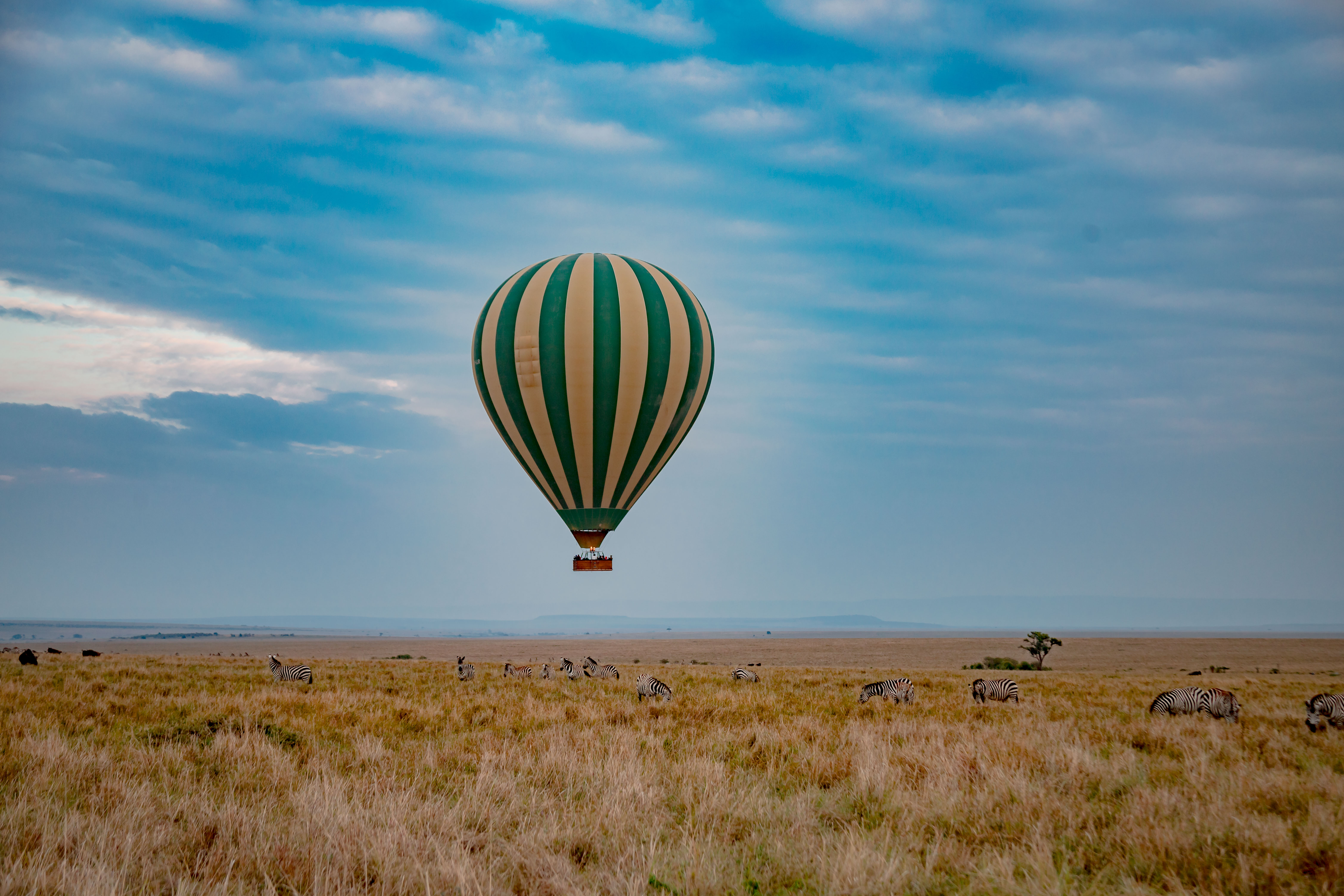
Here’s something every experienced safari traveler knows:
You can plan everything perfectly… and the bush will still surprise you.
You might head out hoping to see a rhino and instead spend an hour watching a tiny dung beetle roll its prize across the road.
And somehow, that becomes the story you remember most.
Safari magic often appears when you stop searching for something specific and simply let the wilderness unfold.
Planning a safari is part research, part imagination, and part excitement.
But once you arrive in the African wilderness, something shifts.
The noise of daily life fades.
The horizon feels endless.
And the rhythm of the wild slowly replaces the rhythm of your schedule.
Your carefully planned itinerary becomes something else entirely:
A journey shaped by nature, patience, and moments you could never have predicted and that’s the real beauty of safari.
Because sometimes the best memories aren’t the ones you planned they’re the ones that appeared quietly, like dust in golden sunset light.


.avif)

