
So, you’ve finally decided to cross “African Safari” off your bucket list. Congratulations you’re about to swap your morning coffee routine for sunrise game drives where the only traffic jam is a herd of elephants crossing the road.
But as soon as you begin researching your dream safari, a classic traveler’s dilemma appears:
Should you go to Kenya or Tanzania?
Both destinations are legendary safari countries. Both are home to breathtaking wildlife landscapes. And both share one of the most famous ecosystems on Earth the Serengeti–Mara Ecosystem, which stretches between Kenya and Tanzania.
In both countries you can:
So how do you choose?
While both countries deliver extraordinary safari experiences, there are some key differences that can help first-time visitors decide which destination fits their expectations best.
Let’s break it down.

One of the biggest reasons travelers visit East Africa is to see the famous Great Wildebeest Migration the largest land animal migration on the planet.
Each year, over two million wildebeest, zebras, and gazelles move across the plains in search of fresh grazing.
This dramatic journey happens across two iconic parks:
But the experience in each destination can feel quite different.
The Maasai Mara is relatively compact compared to the Serengeti, which means wildlife sightings are often incredibly concentrated.
You might leave camp in the morning and, within minutes, encounter:
Because animals are easier to locate, Kenya tends to offer a higher “sightings-per-hour” ratio, which is particularly exciting for first-time safari travelers.
If you’re visiting between July and October, you may also witness the dramatic Mara River crossings, when thousands of wildebeest plunge into crocodile-filled waters as they move into Kenya.
These moments are among the most thrilling wildlife spectacles on Earth.
The Serengeti is enormous nearly ten times larger than the Maasai Mara.
Its size creates a very different safari atmosphere. Instead of intense wildlife clusters, you experience an overwhelming sense of endless wilderness.
You may drive for long stretches through open savannah before discovering a lion pride resting beneath a rocky kopje or a massive herd of wildebeest moving across the plains.
Tanzania also offers one of the most remarkable seasonal experiences in Africa:
During this period, thousands of wildebeest give birth across the southern Serengeti plains.
Visitors may witness:
It’s a powerful and emotional spectacle that highlights the raw cycle of life in the wild.
For first-time visitors, logistics can significantly shape the overall experience.
A safari should feel like an adventure but not a complicated puzzle.
Kenya is widely considered one of the easiest safari destinations for beginners.
Most international travelers arrive through Nairobi, which serves as a major aviation hub in East Africa.
From there, safari parks are easily accessible via:
The country’s safari circuit is relatively compact, which means you can move between destinations efficiently.
For example, it’s very common to combine:
All within a single itinerary.
Less travel time means more time watching wildlife.
Tanzania’s famous safari destinations are often part of what’s known as the Northern Circuit, which includes:
These parks are incredible, but they are more spread out geographically.
Travelers often rely on:
While this can make the safari feel more adventurous, it may require more planning and time.
Safari pricing varies widely depending on the level of luxury, lodge selection, and time of year.
However, there are some general trends.
Kenya has a large number of safari lodges and tour operators, which creates healthy competition.
As a result, travelers often find:
It’s easier to find safaris that balance comfort and affordability without sacrificing wildlife experiences.
Tanzania’s safari industry often focuses on more exclusive, remote experiences.
Because many destinations are far apart and require flights or longer transfers, costs can increase.
However, that extra cost can also bring certain advantages:
For travelers seeking privacy and dramatic scenery, Tanzania can feel incredibly rewarding.
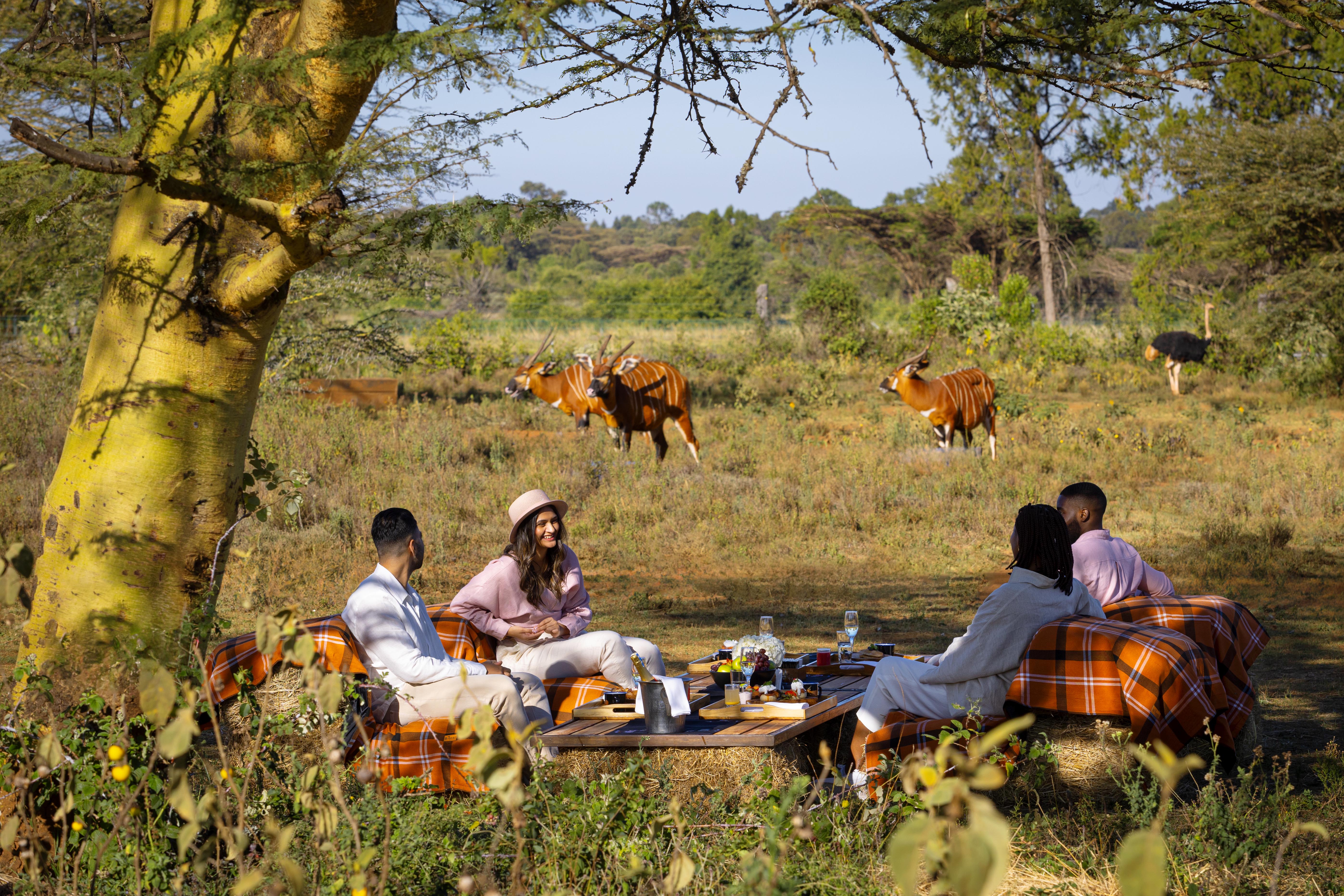
Safari travel is not only about wildlife.
Some of the most meaningful moments often come from meeting the people who have lived alongside these landscapes for generations.
Kenya has one of the most developed guiding cultures in Africa.
Many guides undergo years of training and possess remarkable knowledge about:
Visitors frequently interact with communities such as the Maasai people and Samburu people, learning about traditions, pastoral lifestyles, and conservation partnerships.
Because tourism is well-established, English-speaking staff and excellent hospitality are the norm.
Tanzania is home to more than 120 ethnic groups.
Beyond the Maasai, visitors can encounter communities such as the Hadzabe people, one of the last remaining hunter-gatherer societies in East Africa.
Near Lake Eyasi, travelers can observe traditional hunting techniques and learn about ancient survival skills that have been practiced for thousands of years.
These encounters offer a deeply authentic glimpse into human history.
Another factor for first-time travelers is what happens after the safari.
Many visitors want to combine wildlife adventures with a relaxing beach escape.
Kenya makes it very easy to pair a safari with a coastal retreat.
From Nairobi, you can fly directly to beautiful Indian Ocean destinations such as:
This allows travelers to experience both wildlife and tropical beaches within a single trip.
Tanzania also offers a fantastic safari-and-beach combination with the island of Zanzibar.
After exploring the Serengeti or Ngorongoro, many travelers head to Zanzibar for:
It’s a stunning finale to a safari adventure.

Here’s the honest truth.
You really can’t go wrong with either Kenya or Tanzania.
Both offer world-class wildlife, stunning landscapes, and unforgettable safari experiences.
However, for first-time visitors, Kenya often provides a slightly smoother introduction.
Why?
Because Kenya offers:
For many travelers, Kenya feels like the perfect “soft landing” into the world of African safaris.
Once you experience your first safari, something surprising often happens.
You realize one trip isn’t enough.
Maybe you start in the wildlife-rich plains of the Maasai Mara.
Then, years later, you find yourself exploring the vast horizons of the Serengeti.
Because safari isn’t just a vacation.
It’s a journey into landscapes that feel ancient, powerful, and deeply alive.
And once the African wilderness gets under your skin, you’ll probably start planning your next safari before the first one even ends.


.avif)

