
Close your eyes for a moment and imagine the African wilderness.
The smell of sun-warmed grass drifts through the air. A breeze carries the distant call of birds across the plains. Somewhere far away, a deep roar echoes across the savannah. Dust rises softly beneath the hooves of grazing animals as the morning light spreads across the landscape.
You are no longer looking at a travel photo you are standing in the heart of Kenya’s wild.
For many travelers, seeing the Big Five is the ultimate goal of an African safari. These legendary animals represent some of the most powerful and fascinating wildlife on the continent, and spotting them in their natural habitat is an unforgettable experience.
But here’s an interesting fact: the term “Big Five” was not originally created by wildlife photographers or conservationists.
It dates back to the 19th century, when big-game hunters used the phrase to describe the five most dangerous animals to hunt on foot. Today, thankfully, the only thing most visitors hunt is the perfect photograph.
The Big Five include:
Kenya remains one of the best places in Africa to see all five, thanks to its diverse landscapes and world-renowned national parks.
Let’s take a closer look at these remarkable animals and where you’re most likely to encounter them.
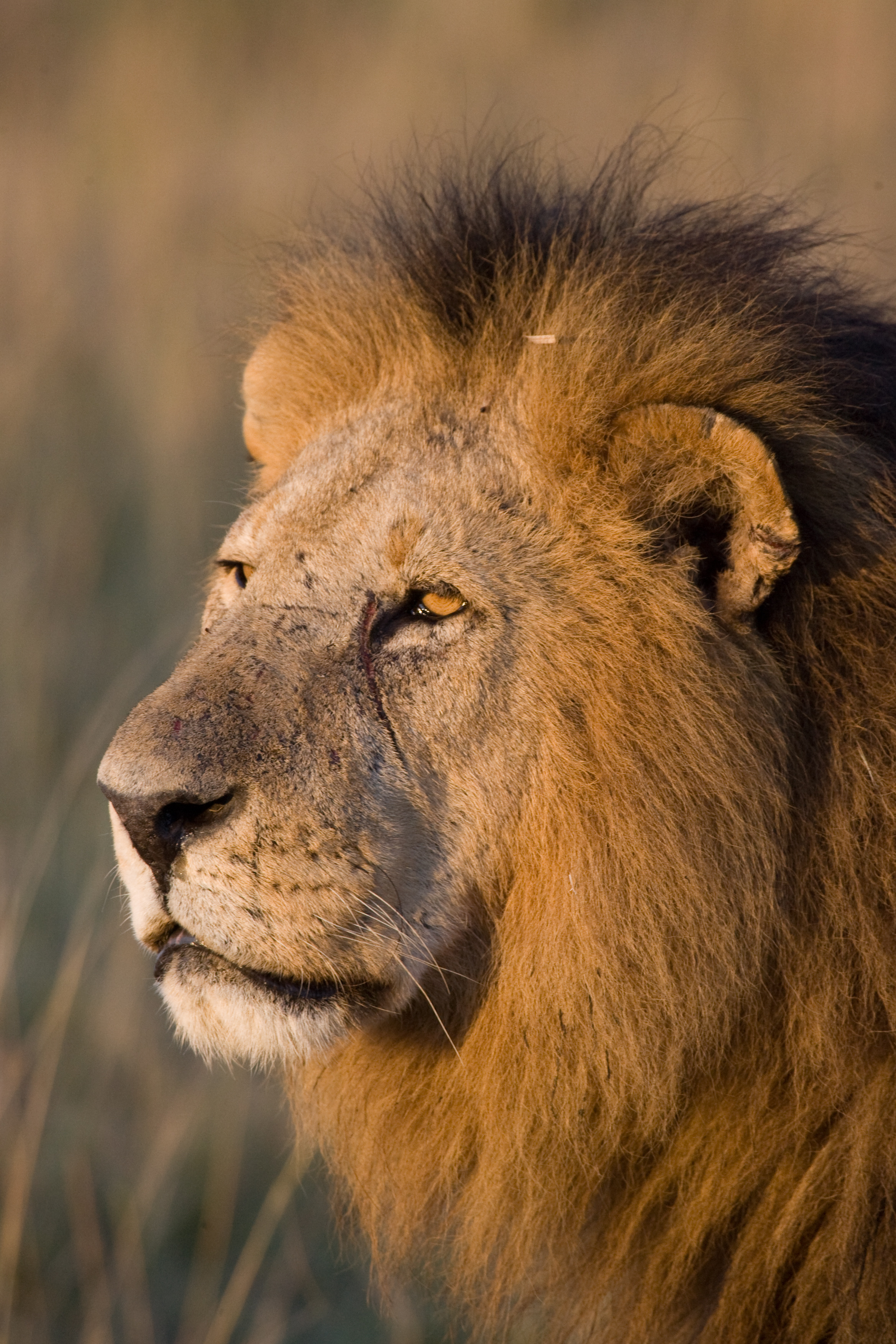
Few wildlife sightings are as powerful as seeing a lion in the wild.
The African Lion has long been called the “King of the Jungle,” although it actually prefers open grasslands and savannah ecosystems.
Lions are the only big cats that live in social groups called prides, usually consisting of several related females, their cubs, and a small number of males. This social structure makes them particularly fascinating to observe during a safari.
During the day, lions often appear relaxed or even lazy and for good reason. They spend up to 20 hours a day resting, conserving energy for hunting at night.
But when they are active, their strength and coordination are extraordinary. Lionesses often work together during hunts, using teamwork and strategy to capture prey such as zebras, wildebeest, and antelope.
One of the most unforgettable experiences on safari is hearing a lion roar. The sound can travel up to eight kilometers across the savannah, and it’s so deep that you can sometimes feel it vibrating through the air.
The Maasai Mara National Reserve is widely considered one of the best locations in Africa for lion sightings. The open plains provide excellent visibility, and the reserve supports several large lion prides.
The famous Marsh Pride, once featured in wildlife documentaries, has become one of the most recognizable lion groups in the region.
During the Great Migration, lions in the Maasai Mara benefit from an abundance of prey, making sightings even more frequent.
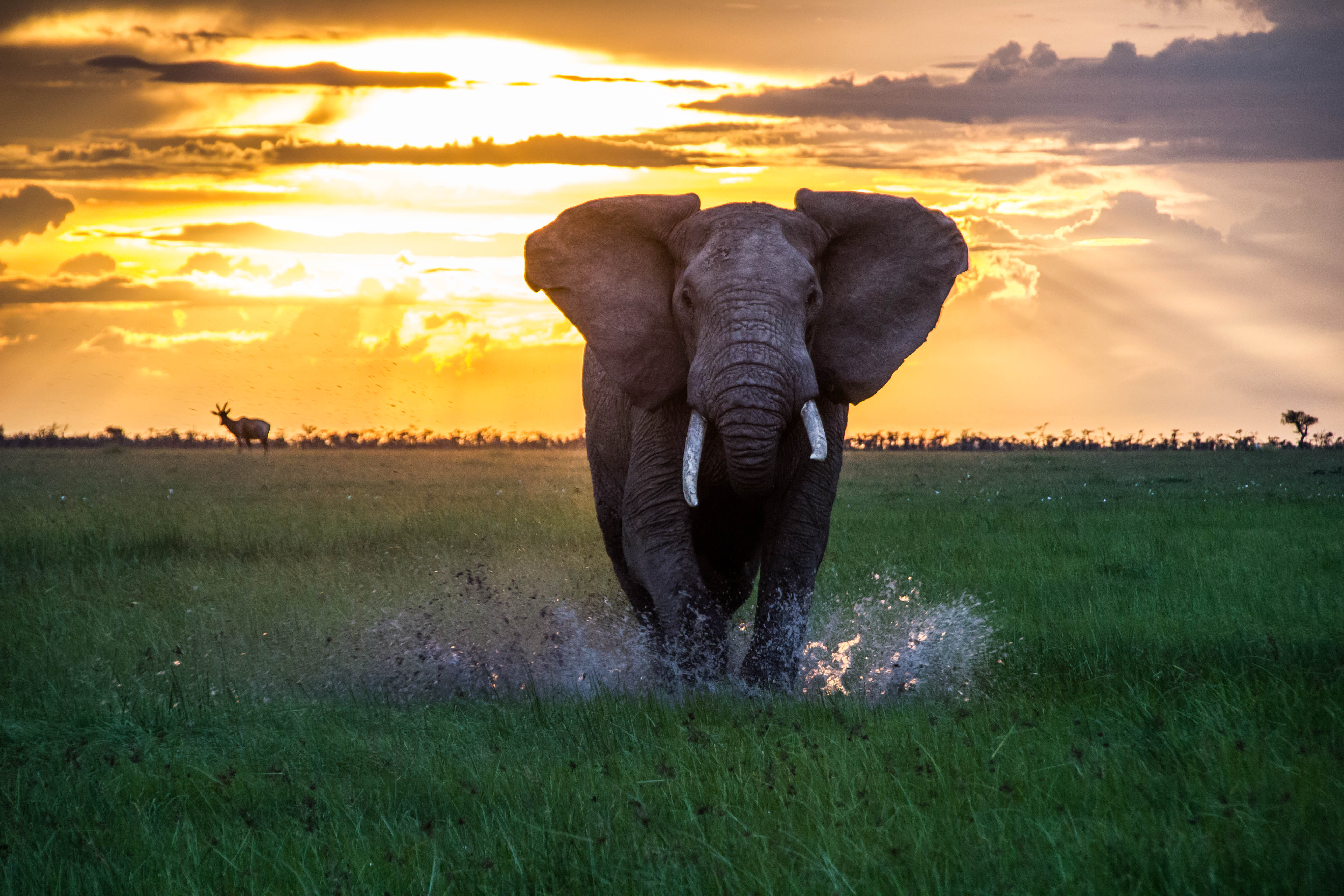
The African Elephant is the largest land animal on Earth and one of the most intelligent.
Standing several meters tall and weighing up to six tons, elephants are both powerful and surprisingly graceful.
Despite their size, elephants are known for their complex emotional and social behavior. They live in matriarchal herds led by an experienced female who guides the group to water, food, and safe migration routes.
Elephants communicate through a combination of:
Scientists have even observed elephants mourning their dead and showing signs of empathy toward injured members of the herd.
Beyond their social behavior, elephants play an important ecological role. By knocking down trees and clearing vegetation, they help shape the landscape and create habitats for other species.
The most iconic place to see elephants is Amboseli National Park.
This park is famous for its breathtaking scenery, where large elephant herds walk across open plains with the towering silhouette of Mount Kilimanjaro rising in the background.
Amboseli’s elephants are also among the most studied in the world, thanks to decades of conservation research.
The Cape Buffalo may not receive as much attention as lions or elephants, but it is one of the most formidable animals in Africa.
Buffalo are known for their strength, resilience, and unpredictable temperament. In fact, many wildlife experts consider them among the most dangerous animals on the continent.
One of their most distinctive features is the “boss,” a thick shield of fused bone that covers the top of their heads and protects them during fights.
Buffalo live in large herds that can sometimes number in the hundreds. Within these groups, they demonstrate strong defensive instincts. When threatened, they often form protective circles around younger members.
Despite their reputation, buffalo are fascinating to observe. Their complex herd dynamics and interactions with predators especially lions often create dramatic wildlife encounters.
Buffalo are widely distributed across Kenya and can be found in many national parks.
Popular locations include:
They are often spotted grazing near water sources or moving through grasslands in large herds.
The African Leopard is the most elusive member of the Big Five.
Unlike lions, leopards are solitary animals that rely on stealth and camouflage to survive. Their beautifully patterned coats allow them to blend almost perfectly into the surrounding vegetation.
Leopards are incredibly strong for their size. They are capable of dragging prey heavier than themselves sometimes even lifting it into trees to keep it safe from scavengers.
Because they are mainly nocturnal and highly secretive, spotting a leopard often feels like discovering a hidden treasure.
Safari guides frequently advise visitors to look up into tree branches, where leopards often rest during the day.
Two excellent locations for leopard sightings include:
The rocky landscapes and riverine forests in these parks provide ideal habitats for these elusive cats.
Seeing a leopard lounging in a tree or quietly stalking through tall grass is often considered a highlight of any safari.

The final member of the Big Five is the Rhinoceros, a massive and ancient animal that looks almost prehistoric.
Two species can be found in Kenya:
Despite their intimidating appearance, rhinos are mostly solitary animals that prefer quiet habitats where they can graze or browse peacefully.
Unfortunately, rhinos are also the rarest of the Big Five, primarily due to poaching for their horns. Conservation efforts across Kenya have been crucial in protecting the remaining populations.
Seeing a rhino in the wild is therefore not only exciting but also deeply meaningful, as it represents the success of ongoing wildlife protection efforts.
Some of the best locations for rhino sightings include:
Ol Pejeta Conservancy is particularly famous because it protects the last remaining northern white rhinos in the world.
Meanwhile, Nairobi National Park offers the rare sight of rhinos roaming with the skyline of Nairobi visible in the distance.
Animal, Best Park in Kenya & Pro Tip
Lion: Maasai Mara. Go during the Great Migration (July-Oct).
Elephant: Amboseli. Best for photography with Mt. Kilimanjaro.
Buffalo: Lake Nakuru. Often seen near the water's edge.
Leopard: Samburu. Their spots blend perfectly with the scrub.
Rhino: Ol Pejeta. Home to the world's last Northern White Rhinos.
There is a Swahili word every traveler learns when they visit Kenya: safari.
The word simply means “journey.”
And while seeing the Big Five is an incredible achievement, most travelers quickly realize that a safari is about far more than ticking animals off a list.
It’s about the vast landscapes of the Maasai Mara National Reserve.
The quiet mornings in Amboseli National Park.
The powerful conservation work happening in Ol Pejeta Conservancy.
It’s about the silence of the bush, the colors of the sunset, and the feeling of being surrounded by nature in its purest form.
The Big Five may bring travelers to Kenya.
But it’s the experience of the wild itself that makes them fall in love with it.
And once you’ve heard a lion roar across the savannah or watched elephants move quietly through the dust at sunset, you understand something important:
A safari is not just something you see.
It’s something you feel.


.avif)

