
So, you’ve finally booked it.
Flights are confirmed. Your camera memory cards are empty and ready. The khaki vest you swore you wouldn’t buy somehow ended up in your suitcase anyway. And somewhere between planning game drives and researching lodges, it suddenly hits you:
You’re going on safari.
Kenya is calling.
But before you start humming the Lion King soundtrack at full volume from the back of a Land Cruiser, it’s worth remembering something important.
A safari isn’t just a vacation.
It’s an invitation.
An invitation into landscapes that have existed for thousands of years.
An invitation into ecosystems where every movement matters.
And often, an invitation into communities whose traditions and cultures are deeply tied to the land.
When you step into the African wilderness, you are entering someone else’s home and the hosts include lions, elephants, local guides, and entire cultures that have lived alongside wildlife for generations.
To ensure you’re the kind of traveler everyone is happy to welcome back, here are the unwritten laws of the savannah the golden rules of safari etiquette every modern explorer should know.
.jpg)
Imagine this scene.
A leopard crouches silently in tall grass.
An impala grazes nearby, unaware of the predator watching it.
Your safari vehicle slowly rolls to a stop as your guide whispers, “Look to the left.”
Everyone holds their breath.
Then suddenly… a loud ringtone blasts from someone’s phone.
The impala bolts.
The leopard disappears into the bush.
The moment is gone.
Wildlife encounters on safari depend heavily on stillness and quiet. Animals are extremely sensitive to unfamiliar sounds, and sudden noise can easily scare them away or disrupt natural behavior.
The quieter you are, the more the bush reveals.

Kenya’s national parks and conservancies may feel vast and untouched and in many ways they are.
But the truth is that these ecosystems are incredibly delicate.
Even small disturbances can have long-term consequences.
Driving off established tracks may seem harmless, but it can damage vegetation, crush insect habitats, and contribute to soil erosion. Over time, these small disruptions add up.
Safari tourism works best when visitors follow the principle of “leave no trace.”
The goal is simple:
Leave the savannah exactly as you found it.
In the wild, animals set the rules.
Not vehicles. Not cameras. Not schedules.
One of the most important safari etiquette rules is to give animals space and freedom to behave naturally.
Your guide will position the vehicle carefully to observe wildlife without disturbing them, but patience is essential.
Sometimes animals cross the road slowly.
Sometimes they lie in the shade for an hour.
Sometimes they simply walk away.
And that’s perfectly okay.
Remember:
The privilege of watching wildlife comes with the responsibility of protecting their space.
%20-%20Large.jpg)
Kenya is famous for its wildlife, but its people and cultures are equally extraordinary.
Many safari experiences include visits to local communities such as the Maasai or Samburu, where travelers can learn about traditional lifestyles, craftsmanship, and deep connections to the land.
These visits are meant to foster mutual respect and cultural exchange not treat communities like tourist attractions.
A simple greeting in Swahili can go a long way:
Respectful interactions often become some of the most memorable moments of a safari.
Safari fashion has a purpose.
Neutral colors help travelers blend into the landscape and avoid attracting unnecessary attention from animals or insects.
The classic safari palette exists for a reason.
These tones blend naturally with the savannah environment.
Comfort matters too. Temperatures can change quickly during the day.
A typical safari wardrobe includes:
Practical clothing keeps you comfortable and helps you stay focused on the experience.
Capturing incredible wildlife photographs is one of the highlights of any safari.
But good photography should never come at the expense of animal welfare.
Flash photography can startle animals, disrupt hunting behavior, or frighten young animals away from their mothers.
The best photos often happen when wildlife forgets you’re there.

Your safari guide is one of the most important people on your journey.
These professionals spend years learning about:
When your guide asks you to stay quiet or remain seated, it’s not just a suggestion it’s part of ensuring everyone’s safety and protecting the wildlife.
Instead of asking:
“Where are the lions?”
Try asking:
The "Do "The "Don't "Wardrobe
Neutral colors (Beige, Green, Brown).
Bright whites (scares animals) or Dark Blue/Black (attracts Tsetse flies).
Wildlife: Give them space. Let them cross the road first.Use a flash or block an animal's path to water.
Safety: Stay inside the vehicle at all times. Stand on the roof or sit on the door ledge.
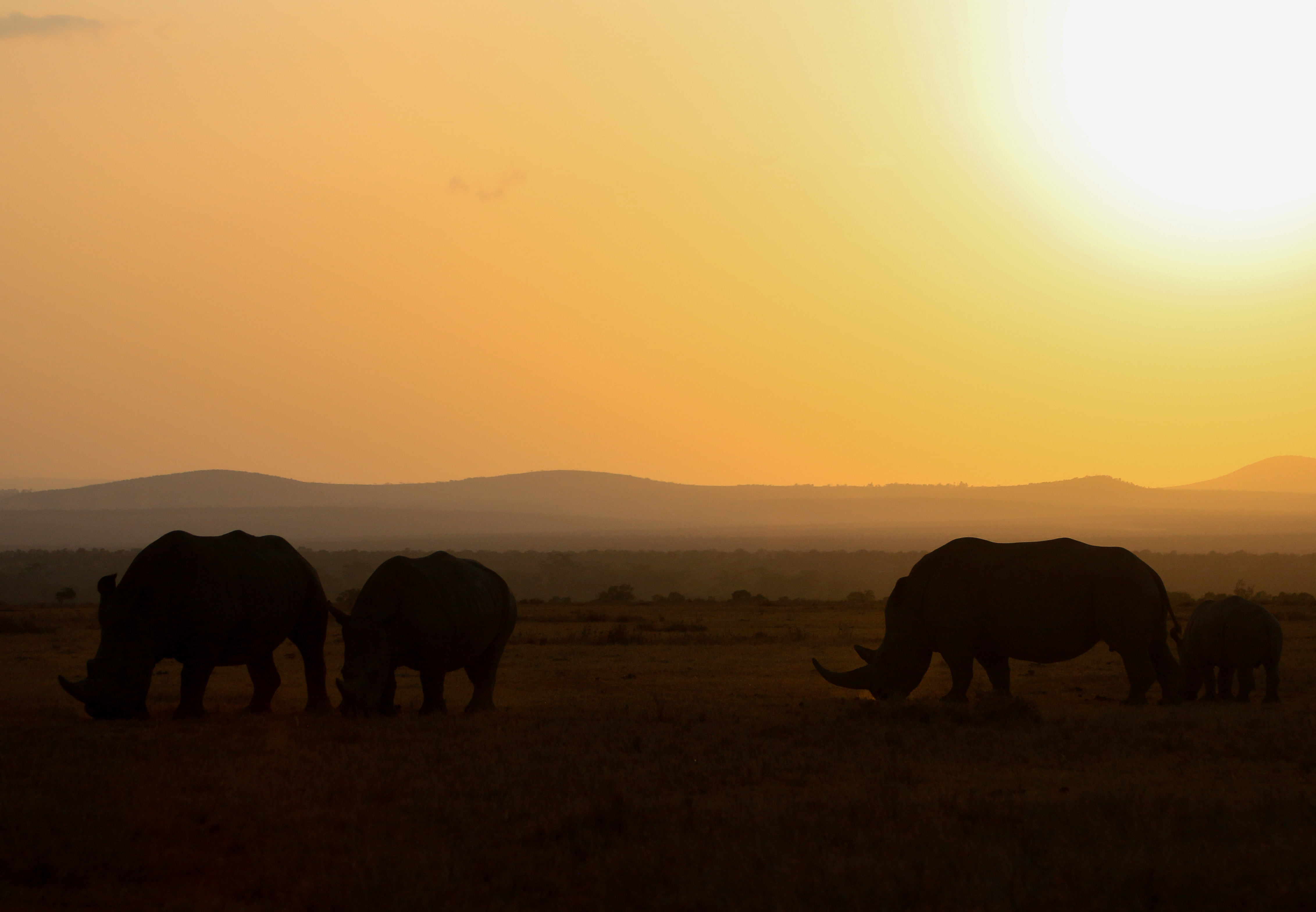
The African sun is bright enough; your camera flash isn't going to help your sunset photo, but it will annoy a rhino.
In Kenya, there is a phrase you’ll hear often:
Pole Pole
It means “slowly, slowly.”
And it perfectly captures the spirit of safari.
The magic of the bush isn’t about rushing from sighting to sighting.
It’s about watching.
Listening.
Being present.
Instead of chasing every animal on a checklist, spend time observing the details:
These quiet moments are often what travelers remember most.
A safari is more than wildlife viewing.
It’s a rare chance to step into a living ecosystem where every creature, plant, and culture plays a role.
When travelers follow simple etiquette rules, they don’t just protect the environment they deepen their own experience.
Because the truth is:
The more respectfully you move through the bush,
the more the bush reveals to you.
And when you finally leave Kenya, long after the dust settles and the photos are shared, you’ll realize something remarkable.
You didn’t just visit the savannah.
You became part of its story.


.avif)

