

Planning a safari in Kenya starts with one important question: When should you go?
The truth is, Kenya is a year-round safari destination. But weather patterns, wildlife movement, pricing, and crowd levels shift throughout the year and understanding these changes can completely shape your experience.
Whether you’re dreaming of witnessing the Great Migration, enjoying quieter game drives, or traveling on a budget, this detailed guide will help you choose the best time to visit Kenya for your safari.
Kenya has two main safari seasons:
Both seasons offer incredible wildlife viewing but the experience feels very different.
Weather: Warm days, cool mornings, very little rain
Wildlife: Excellent animals concentrate near water sources
Crowds: Moderate
These are fantastic months for first-time safari travelers. The vegetation is thinner, making wildlife easier to spot across regions like the Maasai Mara, Laikipia, Samburu National Reserve, and Amboseli National Park.
Photographers especially love this period for its clear skies and dramatic lighting.
Weather: Heavier rainfall (April is typically the wettest)
Wildlife: Present but more dispersed
Crowds: Very low
Best for: Budget travelers, birdwatchers, returning safari guests
This is Kenya’s “long rains” period. Roads in some areas may become muddy, but the upside? Significantly lower lodge rates and fewer vehicles at sightings.
The landscapes transform into rich, emerald-green scenery. It’s also peak birding season, with migratory species in abundance.
For travelers prioritizing value and serenity over perfect weather, this can be a hidden gem.
Weather: Cooler temperatures, rain tapering off
Wildlife: Improving visibility as vegetation thins
Crowds: Low to moderate
June offers an excellent balance strong game viewing begins to return, but peak-season crowds haven’t fully arrived. It’s often considered one of the most underrated safari months.
Weather: Dry, crisp mornings, warm afternoons
Wildlife: Exceptional
Crowds: High, especially in the Maasai Mara
This is widely considered the best time to visit Kenya for safari.
It’s migration season in the Maasai Mara, when millions of wildebeest and zebras move north from Tanzania’s Serengeti ecosystem. River crossings along the Mara River are dramatic and unpredictable dust clouds rise, crocodiles wait, predators follow closely behind.
Wildlife density is at its peak. Lion activity increases. Riverbanks become stages for nature’s most powerful scenes.
Because of this, advance booking (6–12 months ahead) is strongly recommended.
Weather: Mostly dry with occasional short rains
Wildlife: Still excellent
Crowds: Decreasing
October often offers the best of both worlds fantastic wildlife viewing without peak-season congestion.
For travelers wanting strong migration sightings with slightly better availability and pricing, October can be ideal.

Weather: Brief afternoon showers
Wildlife: Active and plentiful
Crowds: Low to moderate (higher around holidays)
The “short rains” typically arrive in November but are less disruptive than April’s downpours. Landscapes refresh quickly, and newborn animals are common.
This period offers a beautiful balance between scenery, wildlife activity, and improved lodge availability.
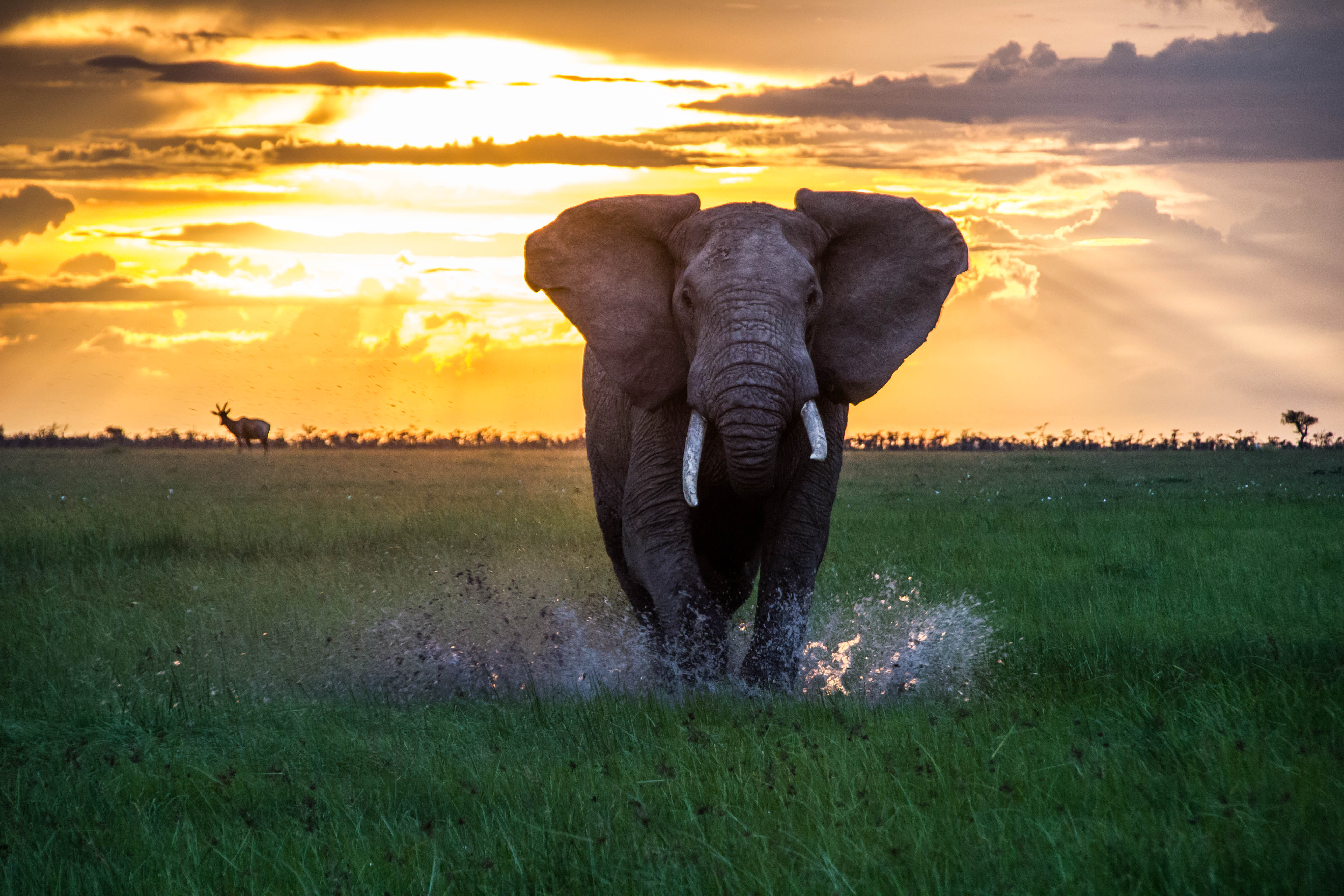
The Great Migration involves over 1.5 million wildebeest and hundreds of thousands of zebras and gazelles moving in a continuous cycle in search of fresh grazing.
In Kenya, it takes place primarily in:
What you may witness:
It’s important to remember: migration movement depends entirely on rainfall patterns. It’s a natural event never guaranteed but July to September offers the highest probability of seeing it in Kenya.
Pros:
Cons:
Pros:
Cons:
It depends on what matters most to you.
Kenya delivers exceptional safari experiences year-round it’s simply a matter of aligning the season with your expectations.
July through October offers the most consistent dry weather and wildlife concentration.
No. It is influenced by rainfall patterns and grazing conditions. However, July to September provides the highest chance of witnessing river crossings in Kenya.
Not at all. While rainfall is heavier in April, the green season offers fewer tourists, lower prices, and stunning landscapes.
The best time to visit Kenya for a safari isn’t just about weather it’s about your travel style.
Do you want dramatic river crossings and peak wildlife density? Choose the dry season.
Prefer quieter camps, lower rates, and emerald landscapes? Consider the green season.
Either way, Kenya’s wilderness is waiting and no matter when you go, the bush has a way of surprising you.


.avif)

